“We brought them back once. We can do it again.”
~ Joe Madison, USFWS North Carolina Red Wolf Recovery Program Manager
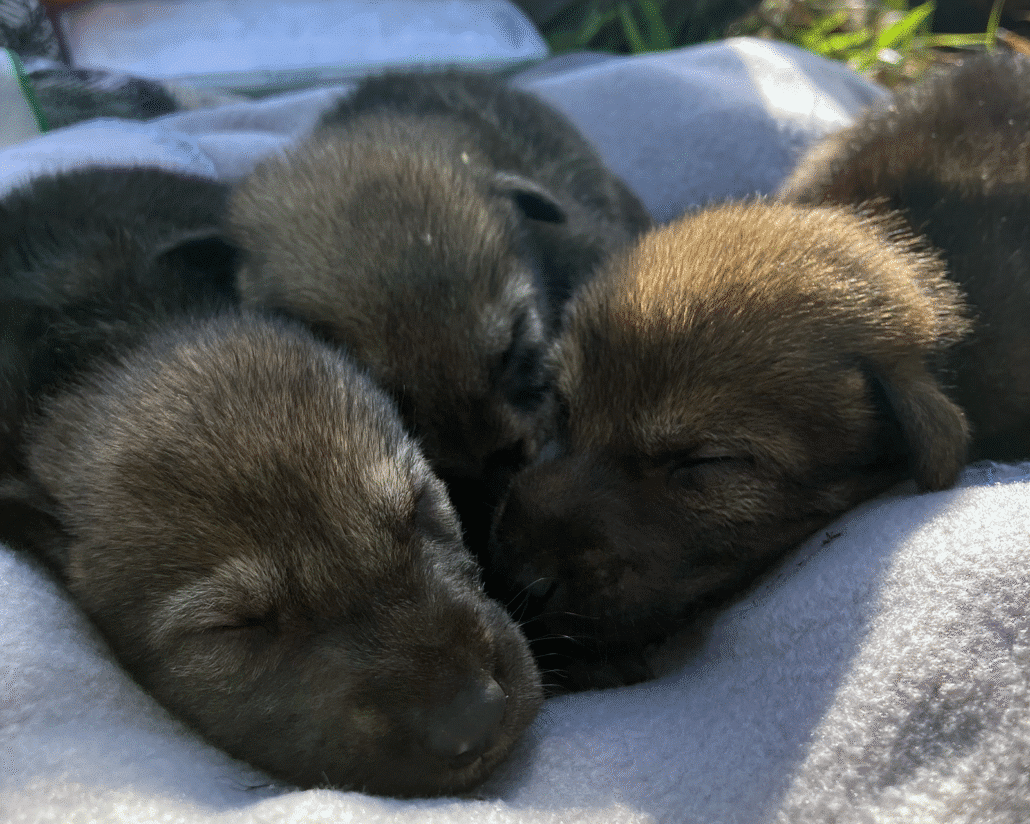
Hope is born of small things
In the spring of 2025, 16 red wolf pups in four litters were born in northeastern North Carolina where the only wild population of red wolves lives. These pups are unique. Their arrival is reason for celebration combined with cautious optimism for a critically endangered predator whose numbers five years ago had dropped to a perilously low seven known red wolves roaming free on the Albemarle Peninsula’s 1.7 million acres of wetlands, woods and farmlands. The pups, along with the formation of new breeding pairs, are tangible evidence that an imperiled species can rebound if proven science-based management practices are combined with public investment in both red wolf recovery and habitat conservation.
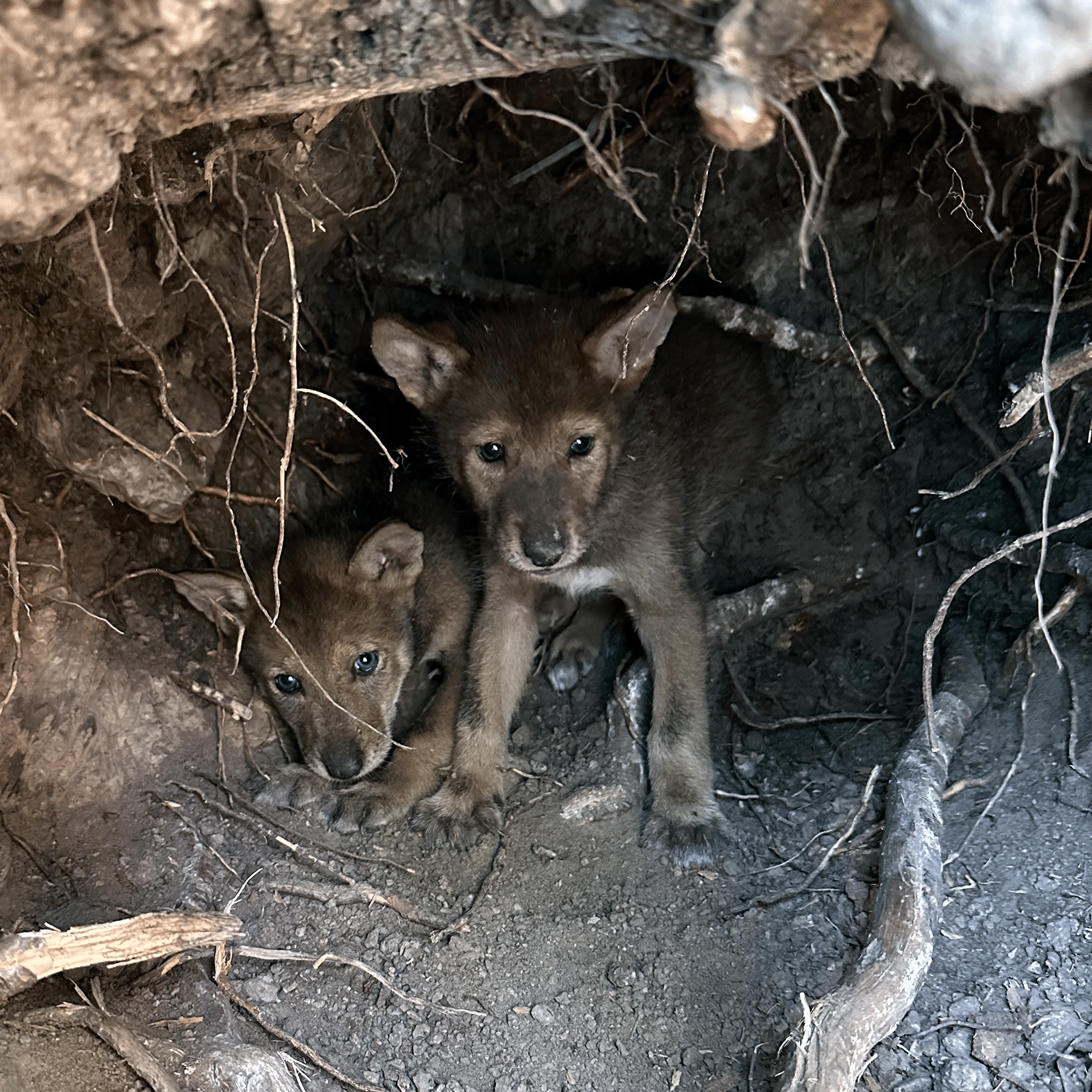
Recent red wolf recovery successes as of September 2025
These milestones may seem modest, but like all milestones, they matter. They are the building blocks for future achievements.
- Of the 16 known 2025 wild-born pups, at least 10 have survived. This is an impressive number for wolves born in the wild where pup mortality is typically high.
- Four red wolf pairs live in the recovery region, three of which have formed naturally without the help of arranged marriages by Red Wolf Recovery Program managers.
- In the wild population, 35% of the wolves are releases from the red wolf SAFE (Saving Animals From Extinction) Program’s accredited zoos and nature centers. This is a direct indicator that innovative husbandry protocols aimed at nurturing wild behaviors, along with practices such as placing wolves in acclimation enclosures prior to release, are working.
- Of the estimated 27 to 30 red wolves on the landscape, nine of them are at least two years old.
- No hybrid litters have been found in the last three years due in large part to a coyote sterilization program with a solid track record. Although unable to produce offspring, these hormonally intact “placeholder” coyotes defend established territories and reduce chances that fertile coyotes will move in and breed with red wolves. The expectation is that placeholders will be displaced eventually by the larger and more dominant red wolves.
- Public resistance to red wolves on the landscape is slowly waning due to successful collaborative partnerships and programs that foster cooperation between the Red Wolf Recovery Program and local residents.
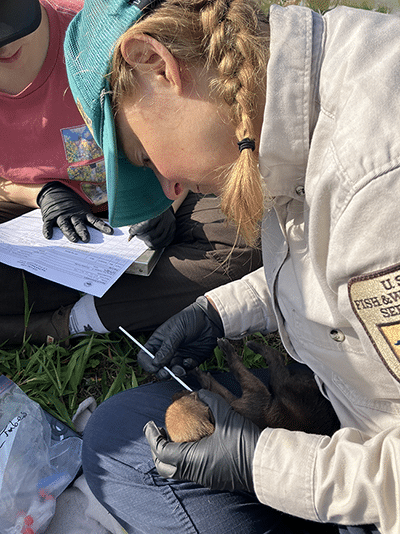
- Inserting newborn pups born at SAFE institutions into the litters of wild red wolf parents is a proven strategy. Pup “fostering” not only augments red wolf numbers but promotes genetic diversity.
- More good news has arrived from St. Vincent National Wildlife Refuge, an island propagation site off the coast of Florida where red wolves can transition to the wild. Evidence predicts new pups this spring.
- The Red Wolf SAFE Program’s primary task is managing the red wolf population as a genetic reservoir. Both red wolves and Mexican gray wolves are descended from just a few founders, so enhancing genetic diversity is essential. Additionally, the SAFE Program must support interactive management between the wild and the human-supervised wolf populations. Intensive research is underway to discover which individual red wolves at SAFE institutions will do best in the wild and what specific husbandry measures need to be improved and implemented to increase chances that released wolves can reproduce, hunt and avoid human contact. Providing newborn red wolves for pup fostering is also a priority.
- The North Carolina Wildlife Resources Commission, the state wildlife agency, now officially recognizes the red wolf and has committed to its recovery by passing a resolution to work with the U.S. Fish and Wildlife Service on collaborative management efforts.
- Plans are on track for multiple wildlife crossings on highways that bisect the Alligator River National Wildlife Refuge. A $25-million federal grant has been supplemented by an additional $4 million raised by conservation organizations and private donors. The crossings will include structures to accommodate a variety of wildlife from bears and red wolves to salamanders and turtles.
Significant challenges remain
The recovery and conservation of an endangered species is a slow, incremental process, and nothing illustrates this more clearly than the cliff-hanger story of Canis rufus. Despite close brushes with extinction, the resilient red wolf is still with us due largely to the unflagging efforts of people who, in the face of political, legal and public resistance, have refused to give up on this magnificent native predator. But obstacles to full recovery remain:
- Habitat loss, fragmentation and degradation – The disappearance of natural environments and resources that red wolves need to survive is arguably the greatest hurdle. Reversing the trend is of paramount importance and will take investment from everyone who values wildlife. The recovery goal of three viable populations of red wolves cannot be achieved in the Southeast without healthy habitat that supports natural prey species and that gives red wolves the space they need to hunt and raise their families.
- Human tolerance and acceptance – Despite their shy and elusive nature, red wolves have demonstrated a remarkable ability to adapt to living in proximity to people. If red wolf pack numbers are to increase and if there is to be multi-year pup survival, gunshot mortality must stop. Young red wolves, who can easily be mistaken for coyotes (especially at a distance or in dense foliage), must survive to attain maturity and reach breeding age. The deployment of bright orange reflective tracking collars on adult red wolves makes it easy to distinguish red wolves from coyotes. These collars aren’t aesthetically pleasing, but they don’t interfere with the wolves’ activities, and they can save lives by preventing injury or death both from bullets and vehicle strikes.
- Hybridization with coyotes – Unlike gray wolves, red wolves don’t willingly coexist with coyotes. Red wolves typically drive coyotes from their territories, and these wolves will not breed with coyotes if available red wolf mates exist. The current critically low number of wild red wolves means fewer potential partners and thus fewer established territories occupied by red wolf packs. Coyote sterilization is a proven strategy for reducing hybridization. The surgical procedures are both safe and humane.
- Vehicle collisions – Vehicle collisions pose potential risks for both humans and wild animals, large and small. In fact, vehicle strikes are the number one cause of red wolf mortality. Wildlife crossings will go a long way toward reducing highway carnage, but motorists must reduce speed, obey flashing electronic warning signs, and stay alert and aware when driving through red wolf country.
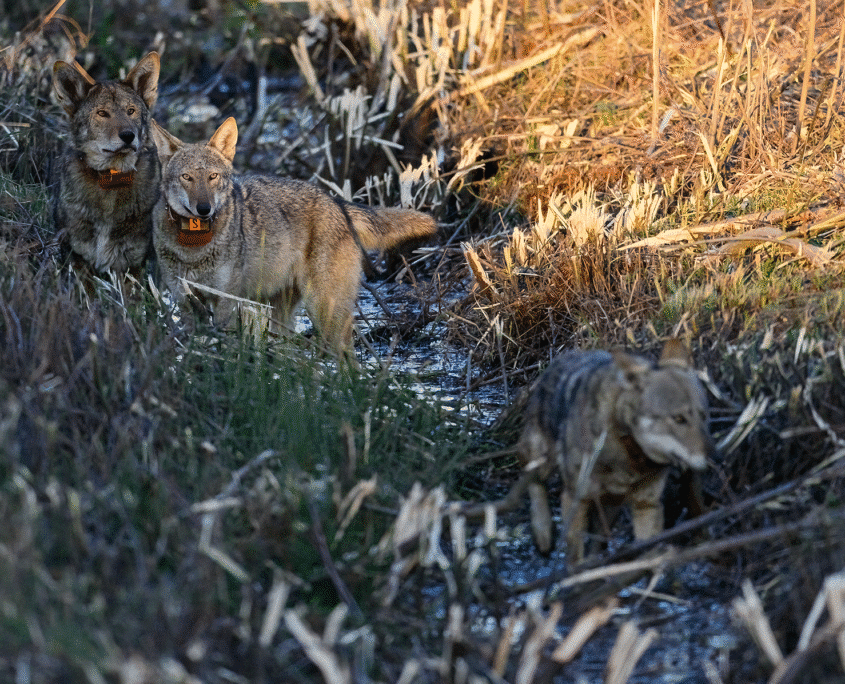 Eve Turek Photography
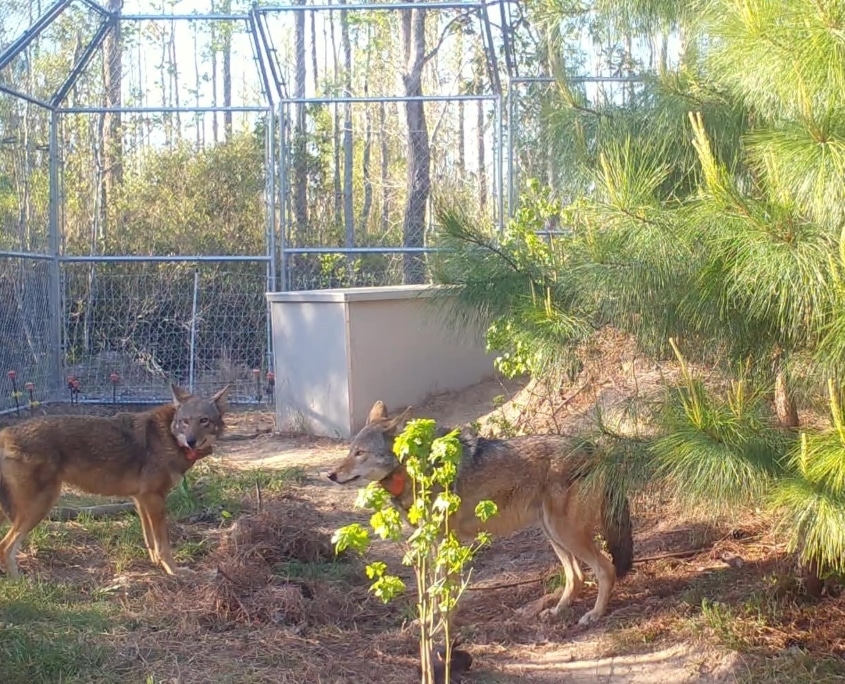 Joe Madison, USFWS
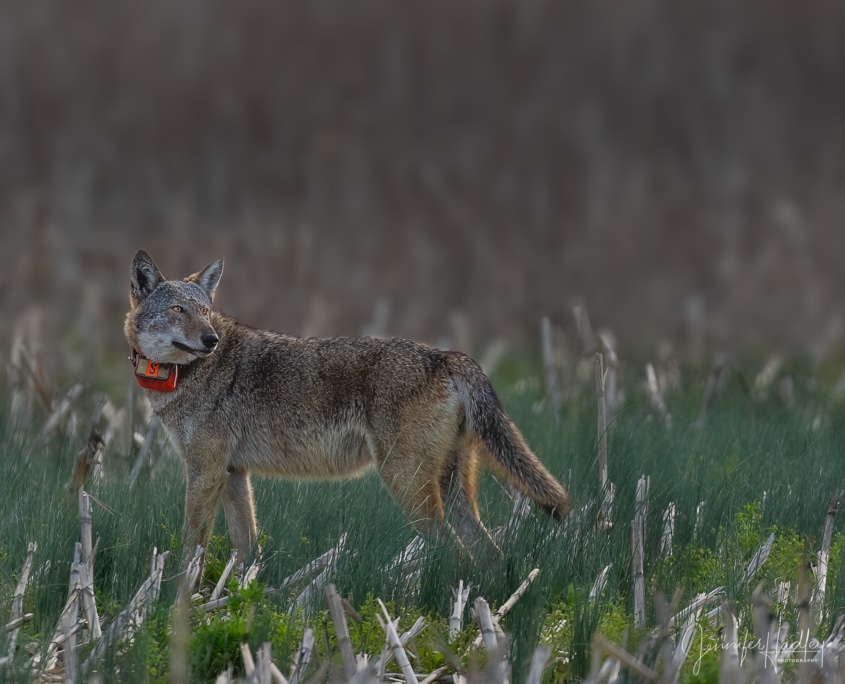 Jennifer Hadley
Biotechnology projects such as cloning – an emerging controversy
In the opinion of many conservationists and scientists, the major threat to red wolf survival is not a lack of genetic diversity as some individuals have publicly claimed. The most immediate and serious challenges to red wolves are primarily human-related. If red wolves are to have a chance of thriving in the wild, the issues of habitat loss, scarcity of public empathy for free-ranging large carnivores, vehicle strike mortality, illegal killing, and coyote hybridization must remain the focus of recovery efforts. Biotechnology breakthroughs may indeed offer exciting opportunities for enhancing the vigor of the species, but these innovations will not serve as stand-alone solutions, nor will they replace the hard work of implementing proven recovery strategies. Additionally, policy decisions and actions by government agencies, such as those related to the Endangered Species Act, can be influenced by the claims of de-extinction projects and could negatively impact the level of protection afforded to red wolves and the resources allocated to the Red Wolf Recovery Program.
Red wolf recovery is a marathon, not a sprint
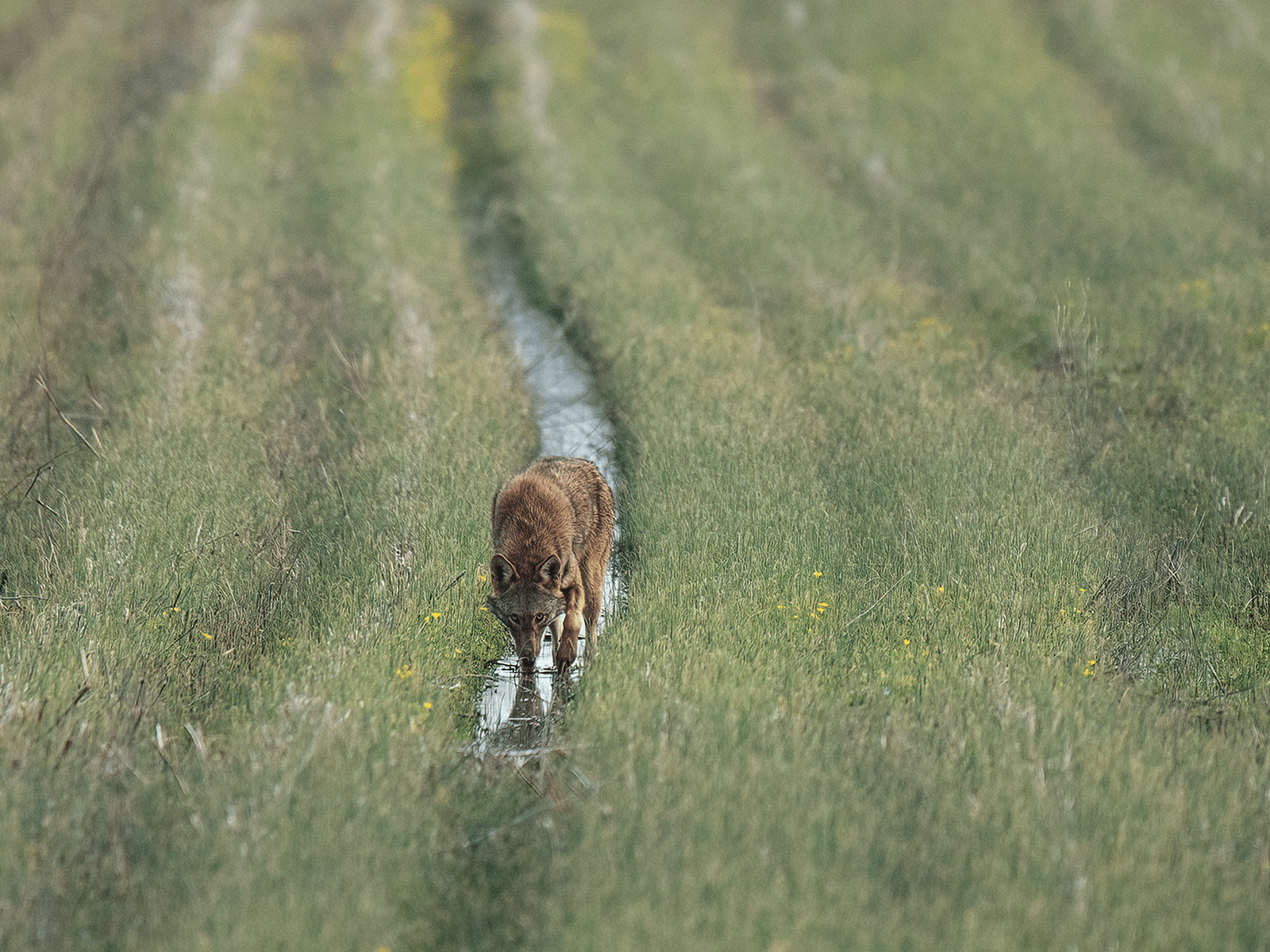
If red wolves are to have a chance of thriving in the wild, the issues of habitat loss, scarcity of public empathy for free-ranging large carnivores, vehicle strike mortality, illegal killing, and coyote hybridization must remain the focus of recovery efforts. Photo by Even Turek Photography.
The red wolf has dodged the finality of extinction not once but several times. With the recent arrival of new pups, the future holds renewed promise. However, maintaining momentum is crucial. If they are to thrive, these red wolf youngsters must be equipped with more than tooth and claw. Above all else, they must have knowledge. Naivete does not enhance chances for survival. The wolves have to know how to find and kill food. They must know where danger lurks in their environment, and they need to know to avoid humans. Thus, it’s essential to build up packs with multiple generations of wild-born red wolves whose collective knowledge can be passed along by the adults to new arrivals as they mature and learn survival skills. Moreover, the future would be more secure if additional areas could become home to wild red wolves – a tall order in the heavily populated and highly developed Southeast, but that building block is in the long-range recovery plan.
Meanwhile, the people who continue to pour their energy into a future for red wolves are taking Red Wolf Recovery Program Manager Joe Madison’s words to heart: “The birth of four wild litters of red wolves this year in the Eastern North Carolina red wolf population area is a testament to the successful collaborative efforts of numerous individuals, organizations, and the local community. Overall, it is a promising sign for the future of red wolf recovery.”

Founded in 1997, the Red Wolf Coalition (RWC) serves as the hub of private support for long-term red wolf restoration. Through a variety of programs, its website and print information, the RWC provides the public with science-based information about the biology and ecology of this endangered predator. The Coalition also teaches people about the value of red wolves to the ecosystem and to the people living in the restoration area. The RWC works with the United States Fish and Wildlife Service Red Wolf Recovery Program to stay up to date on red wolf restoration and management issues and to partner in the effort to maintain healthy populations of wild red wolves.
Mission:
The Red Wolf Coalition (RWC) advocates for the long-term survival of red wolf populations by teaching about the red wolf and by fostering public involvement in red wolf conservation.
 This article was originally published in the winter 2025 edition of International Wolf magazine, which is published quarterly by the International Wolf Center. The magazine is mailed exclusively to members of the Center.
To learn more about membership, click here.
Neil Hutt is the chair of the Red Wolf Coalition Board of Directors.
Kim Wheeler if the Executive Director of the Red Wolf Coalition.